
TL;DR:
This guide covers the seven mistakes that sink self-published books before they get a fair chance: skipping professional editing, using a weak or unprofessional cover, launching without a real strategy for ISBN, formatting, pricing, and distribution, ignoring marketing until after the book is already out, choosing unreliable or low-quality publishing support, writing without understanding the target audience, and rushing the launch instead of doing final checks and ARC reviews first.
Are you struggling with self-publishing? Your manuscript is ready, but you do not know why some books are successful, and some books do not sell or get amazing reviews. A lot of time authors spend months writing their book. When it comes to editing, cover design, marketing, formatting, and publishing decisions, they feel confused.
Some authors publish their books quickly. Others spend money on the services and hurt their book‘s credibility before people even read the first page. Self-Publishing can be really confusing. Many authors struggle with Self-Publishing because they do not know what to do after they finish writing their book.
The competition in Self-Publishing has become much tougher in recent years because millions of new books enter the market every year. According to Bowker’s latest publishing industry reports, more than 2.6 million self-published titles are released annually in the United States alone, while platforms connected to Amazon self-publishing continue growing rapidly. This means readers now compare independent books against professionally published titles within seconds.
The good news is that most publishing mistakes are completely avoidable when authors understand what actually matters before launch. This article focuses on the 7 major pitfalls that prevent books from selling, on reader trust, and on long-term success, and also covers what successful authors do differently before publishing books.

Why Does Self-Publishing Success Depend on Preparation?
Modern Self-Publishing is so much more than just putting a manuscript up on the web. Nowadays, there exists a lot of competition in the book market, and readers are comparing books within seconds. A professionally published book creates trust quickly, while an unprepared book often struggles to gain reviews or sales.
Readers expect quality because they compare independent books with traditionally published titles from major publishing houses. Poor formatting, weak covers, and grammar mistakes immediately reduce credibility. Many authors underestimate how important presentation is during self-publishing a book.
Strong preparation usually includes:
- Professional editing and proofreading
- Metadata optimization and keyword research
- Print and eBook formatting
- Reader-focused cover design
- Launch and promotion planning
Professional standards matter because online stores reward books with better engagement and stronger reviews. Authors who learn how to self-publish a book professionally usually spend more time preparing before launch instead of rushing the process.
Many publishing experts explain that discoverability plays a major role in book sales. A book with poor preparation often disappears in search results, even when the writing itself is strong. Readers judge professionalism quickly because they associate quality presentation with a better reading experience.
Successful author self-publishers tend to think like business owners because they realize that every choice they make as an author impacts their future growth.
Self-Publishing Mistake #1 — Publishing Without Professional Editing
When you edit quietly, the reader will lose trust in the quality of your writing because they will be able to see the mistakes quicker than you think. Many people who write for the first time may think, “I’ve already proofread that once, so I’m done.” But for the professional publishers, several rounds of editing are required.
Books are unfinished due to grammar problems, pacing, repetition, and structural confusion. Customers tend to write negative reviews when they see minor errors, and those reviews will impact sales for months or years.
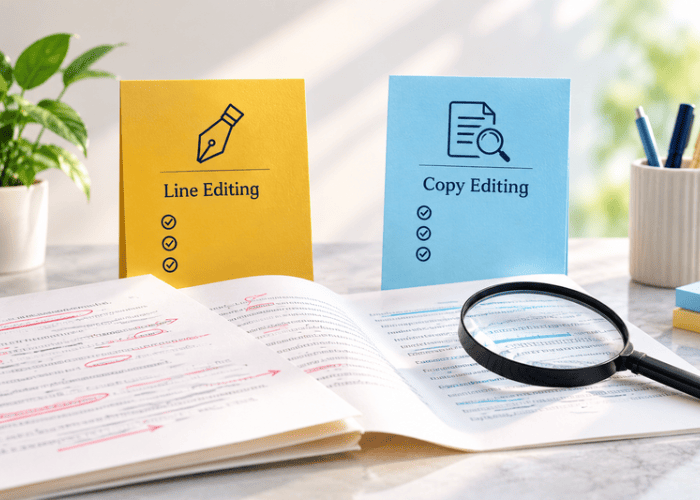
Professional editing usually includes:
- Developmental editing in terms of structure and flow.
- Copy editing for clarity and sentence enhancement
- Reading and proofreading, checking for grammar and spelling errors
- Beta reader comments for reader feedback
After spending months writing, authors get emotionally attached to their work. You become less likely to notice errors when you’re familiar with the material. Professional editors offer fresh eyes that can help enhance the readability and uniformity of the text.
When many writers start researching how to self-publish, they do not consider editing expenses at first. Later, they discover that bad editing can be more costly when it leads to poor reviews, which affect credibility.
When Lisa Nichols was preparing her business book for publishing, she had to fight repetitive sentences, poor transitions between chapters, and a lack of clarity. Some sections were not easily understood by readers in her early feedback group, impacting engagement and readability. The editors at Pioneer Publishing press carefully edited the manuscript, enhanced the flow of its sentences, modified the structure of its chapters, eliminated omissions, and improved the clarity of the material. Her book was professionally edited and formatted, making it easier to read and more engaging with the audience.
Self-Publishing Mistake #2 — Using an Unprofessional Book Cover
Readers make decisions about books based on their covers, which are the first marketing tool. Even with good content, a poor design will diminish trust.
Many self-publishing book projects don’t succeed because of poor typography, confusing layouts, or cheap graphics. Online bookstores are fast, and readers make their decision about a book’s professionalism within seconds.
Strong covers usually include:
- Genre-appropriate design style
- Clear and readable typography
- Balanced spacing and visual hierarchy
- Professional image quality
- Consistent branding elements
Thriller books are different from romance novels because there are reader expectations for each genre. Every successful Self-Publishing author researches the best sellers in their genre prior to developing concepts for book covers.
Well-designed pages lead to higher click-through rates because readers trust the quality of the writing based on the aesthetic of the pages. This is more important when self-publishing on Amazon, where thousands of titles are competing for the same search results.
Cover quality is also very important since bookstores, events, and online listings are dependent on visual presentation and print sales. A professional cover conveys trust before any reader ever picks it up.
Self-Publishing Mistake #3 — Launching Without a Clear Publishing Strategy
A lot of authors rush to publish because they don’t know how long it will take, who their audience is, how much it will cost, or where it will be distributed. This creates unnecessary stress because small mistakes during launch can affect long-term performance.
Successful Self-Publishing requires planning before release day arrives. Authors who build a structured strategy usually gain stronger visibility during the first month after publication.
A solid launch plan often includes:
- ISBN and copyright preparation
- eBook and print formatting
- Publishing platform selection
- Pricing research
- Keyword optimization
- Pre-launch promotion planning
Authors searching for how to self-publish on Amazon often focus only on uploading files. They forget that launch timing, metadata, and category selection directly affect discoverability.
Organized launches improve ranking opportunities because early engagement signals help online stores recommend books to more readers. Experienced publishing experts carefully schedule promotions, reviews, and social campaigns before launch.
Author Amanda Cole struggled with Self-Publishing because her manuscript had formatting issues, weak metadata setup, and no clear launch strategy across different self-publishing platforms. She was confused about distribution, print setup, and category selection, while her release timeline kept getting delayed. Experts from Pioneer Publishing press assisted her in structuring the entire publishing process, which involved enhancing the formatting of her book, optimizing book metadata, developing a more conducive book publishing timeline, and devising a more streamlined distribution strategy. Amanda started her book with professional publishing advice and planned out her book with structure, giving it visibility, reader presentation, and a more confident publishing experience.
Self-Publishing Mistake #4 — Ignoring Book Marketing Before the Launch
Even excellent books struggle when nobody knows they exist. Many authors focus entirely on writing, while they ignore marketing until after publication.
Self publishing marketing campaigns should be implemented early as awareness of an audience grows over a period of time before the release of the book. Readability requires multiple exposures before readers make a decision to buy a book.
Strong pre-launch marketing often includes:
- Email list building
- Social media engagement
- Author website setup
- ARC review campaigns
- Reader community interaction
Visibility matters more than short-term promotion because readers rarely buy from unknown authors immediately. Consistent branding builds familiarity over time.
Authors who self-publish on Amazon often depend completely on Amazon algorithms. Smart writers utilize other traffic sources, such as newsletters, podcasts, interviews, and social media, to supplement platform visibility.
Author Daniel Reeves did not have a good marketing plan; he was only getting organic traffic, and his book sales were low after he published his first one. The Pioneer Publishing press team analyzed his audience targeting, optimized his book metadata, enhanced his book launch content, and developed an early review outreach campaign on several platforms. After just a few weeks, his book began to be noticed, read, and driven to more on-point pages through targeted marketing.
Self-Publishing Mistake #5 — Choosing the Wrong Publishing Support
Some authors attempt to handle every task themselves because they want to save money. Others trust unreliable providers who promise unrealistic results. Both situations often create frustration and wasted time.
Sometimes, low-quality self-publishing services impose hidden costs and provide low-quality formatting, covers, and distribution. Prior to signing contracts, authors should be careful about researching the services that are being provided.
Professional help is significant because seasoned publishing professionals know what publishers expect and how platforms work.
Reliable support usually provides:
- Transparent pricing
- Real publishing experience
- Professional communication
- Portfolio examples
- Distribution guidance
- Long-term publishing support
Authors comparing independent publishing with traditional publishing houses often prefer flexibility and ownership. However, professional guidance still plays a major role in self-publishing success.
When working with a seasoned publishing expert, they are able to minimize technical errors due to their knowledge of formatting needs, metadata optimization, and distribution systems. With Smart support, authors can concentrate more on writing and engaging with their readers.
Self-Publishing Mistake #6 — Writing a Book Without Understanding the Target Audience
Books perform better when they match reader expectations. Many authors write without researching audience behavior, genre trends, or reader preferences.
Strong audience targeting improves discoverability because online platforms connect books with specific reader interests. Poor positioning creates confusion and lowers conversion rates.
Audience research often includes:
- Genre trend analysis
- Reader review research
- Competitor book analysis
- Title and subtitle optimization
- Reader demographic understanding
Authors asking how I can self-publish successfully often overlook audience positioning. A great manuscript still needs the right market placement to perform well.
Book descriptions, keywords, and branding should connect directly with ideal readers. Mystery readers want suspense, pacing; business readers want authority, practical information.
As an author, Melissa Grant found herself unengaging readers as her book on leadership was not organized, had poor messaging, and lacked a focus on the audience during the early stages of writing. The team then worked with Pioneer Publishing press to review her audience, reorganize the manuscript flow, clarify the chapters, and enhance the direction of the story to make it more reader-friendly. She was able to refine her book with professional guidance and strategic content improvement before it was published.
Self-Publishing Mistake #7 — Rushing the Launch Process
Many authors rush to publish because they feel excited to release their book quickly. Fast launches often create preventable problems because important details get overlooked.
Rushed Self-Publishing usually leads to formatting errors, weak promotion, missing reviews, and inconsistent branding. Readers notice these problems immediately.
A professional launch process usually includes final quality checks, test copies, ARC feedback, and marketing preparation. Authors who slow down often produce stronger long-term results.
Important launch priorities include:
- Final proofreading checks
- Advance reader review collection
- Metadata testing
- Print proof approval
- Promotional scheduling
Once published, successful authors keep working on their books in order to make them better. When readers engage with books, get updates, and continue to promote, it keeps them visible for longer.
After they publish, many successful independent authors tweak their book covers, descriptions, or marketing plans because they know that publishing is an ongoing process.
What Successful Authors Do Differently Before Publishing?
Successful Self-Publishing authors rarely depend on luck. They follow professional systems because preparation creates stronger reader trust and better long-term growth.
Invest in Quality
Credibility is enhanced instantly with professional editing, formatting, and design. Quality is noticeable as soon as the reader glances at a polished book, which makes for a better impression.
Research the Market
Successful authors research their competitors, readers, and trends in their category before they publish. Market awareness is a way of making books reach the right people.
Build Trust Before Launch
Successful writers establish email lists, social networking, and reader connections early on. The more audience trust, the more momentum to launch and long-term loyalty.
Work With Professionals
Even many independent authors will still use an editor, designer, and publishing expert because it saves time and prevents expensive blunders.
Focus on Reader Experience
Every time a book is successful, it is readable, presented, and engaging. Consistently providing professional experiences makes readers come back to the author.
For long-term author growth, consistency is key as readers rely on quality for each release.
Conclusion
Self-Publishing is a tool that provides modern authors with great opportunities due to its creative liberty, quick publication process, and ability to connect authors directly with readers. But with even more competition growing by the year, every success is not an easy one.
The publishing process is a result of many professional elements, including editing, branding, preparation for launch, targeting readers, and regular marketing. Professional authors doing Self-Publishing projects usually don’t make the mistakes that destroy credibility and sales.
A book requires careful preparation, and you are noticed by the reader as a professional. It is better to take your time before launch than to rush and publish it quickly, as this can yield better long-term results.
For expert assistance with editing, publishing, designing, and promoting, Pioneer Publishing press can help make publishing easier and make your book launch well-prepared and professional.
FAQs
1. Is Self-Publishing better than traditional publishing?
Self-Publishing offers authors more creative control, shorter publishing times, and better royalty opportunities. Traditional publishing provides industry support, but is typically slower.
2. How much does it cost to publish a book independently?
The cost of publishing is dependent on editing, cover design, formatting, and marketing services. Most professional book launches need a plan for the budget.
3. Can first-time authors succeed with independent publishing?
Yes, many first-time authors are successful when they invest time in their quality, preparation, and consistent promotion rather than rushing for the launch.
4. Do I really need professional editing before publishing?
Yes, professional editing makes your book easier to read, error-free, and better looking to the reader.
5. Why is a professional book cover important?
A good cover will make a good impression and give readers confidence in the quality of the book before they begin reading.




Pingback: Self-Publishing Packages: Costs, Services & Hidden Fees
Pingback: Ghostwriting Process: 9 Steps, Timeline, Costs & Glossary (2026)
Pingback: Literary Trends: Why More People Are Writing Than Reading