Charles Dickens remains one of the most influential novelists in English literature. His ability to create memorable characters, develop compelling stories, and explore real social issues helped establish his reputation as a celebrated Victorian writer. From Oliver Twist to Great Expectations, his books continue to inspire readers and writers across generations.
But Dickens’s success did not happen overnight. His journey involved early professional writing, journalism, personal hardships, creative experimentation, and a deep understanding of his readers. His experiences offer valuable lessons for modern authors who want to develop their writing skills and turn their ideas into complete books.
In this guide, we explore Charles Dickens’ writing journey, his literary achievements, his storytelling techniques, and the publishing practices that helped bring his stories to readers. We also examine what aspiring writers can learn from his career and how to apply those lessons to their own writing and publishing journeys.
Quick Summary: Charles Dickens’ Writing Journey
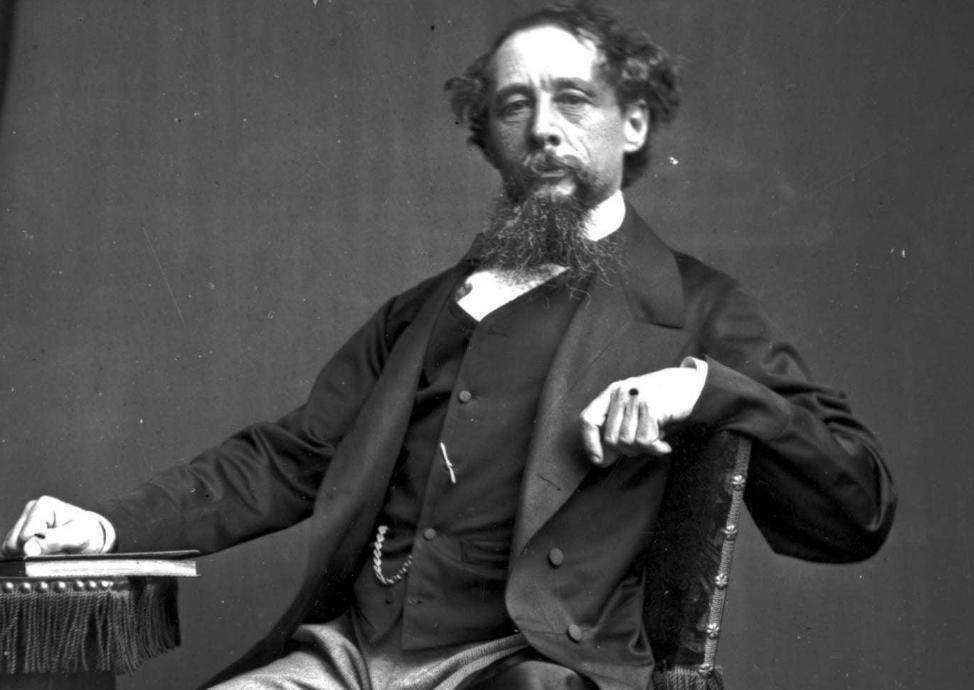
Charles Dickens was a Victorian novelist whose difficult childhood, journalism career, and observations of society influenced his writing. He became widely recognized through serialized novels, including The Pickwick Papers, and later produced celebrated works such as Oliver Twist, David Copperfield, and A Tale of Two Cities. His career demonstrates the importance of developing memorable characters, understanding readers, maintaining a consistent writing practice, and working with publishing professionals to bring stories to a wider audience.
Who Was Charles Dickens?
Charles Dickens was an English novelist, journalist, and social commentator born on February 7, 1812, in Portsmouth, England. He became famous for portraying everyday life in Victorian Britain, particularly the struggles of children, working-class families, and people affected by poverty and social inequality.
His early experiences played an important role in shaping his literary career. Financial difficulties affected his family during his childhood, and he experienced difficult working conditions at a young age. These experiences later influenced the subjects, characters, and social themes found throughout his novels.
Dickens developed his professional writing career through journalism before becoming a successful novelist. His ability to observe people, describe everyday situations, and communicate complicated social issues helped him create stories that connected with a broad readership.
Quick Facts About Charles Dickens
- Full name: Charles John Huffam Dickens
- Born: February 7, 1812
- Birthplace: Portsmouth, England
- Nationality: British
- Profession: Novelist, journalist, and editor
- Literary period: Victorian era
- Famous books: Oliver Twist, A Christmas Carol, Great Expectations, and A Tale of Two Cities
- Writing style: Realistic characters, social commentary, humor, and emotional storytelling
- Died: June 9, 1870
How Did Charles Dickens Start His Writing Career?
Charles Dickens’ writing career began with journalism rather than novels. Before becoming a recognized literary figure, he worked as a reporter and developed the observation and communication skills that later became important elements of his fiction. His early professional experiences helped him understand how to describe real situations, develop interesting characters, and present complicated subjects in an accessible way.
His Early Work as a Journalist
After leaving school, Dickens worked in a solicitor’s office before learning shorthand and becoming a parliamentary reporter. He later worked for newspapers, including the Morning Chronicle, where he covered political debates and everyday events. Journalism exposed him to different people, social environments, and public issues. These experiences became valuable sources of inspiration for his fiction.
Lesson for aspiring writers: Real-life observation can provide powerful material for storytelling. Writers do not always need extraordinary experiences to create engaging stories. Everyday conversations, personal challenges, and human relationships can become the foundation of meaningful writing.
Writing Under the Name Boz
In 1833, Dickens began publishing short sketches about everyday London life under the pen name Boz. His early sketches explored ordinary people, public spaces, social customs, and humorous situations. These works were eventually collected in Sketches by Boz, published in 1836. This early stage of his career helped him develop a recognizable writing voice and establish connections with readers.
Lesson for modern authors: Developing a recognizable writing voice takes practice. Experimenting with different subjects, formats, and storytelling techniques can help writers discover the style that best represents their ideas.
How The Pickwick Papers Changed Charles Dickens’ Writing Career
One of the biggest turning points in Charles Dickens’ writing journey was the success of The Pickwick Papers, which began appearing in monthly installments in 1836.
The story followed Samuel Pickwick and his companions through a series of humorous adventures. Its memorable characters and entertaining situations attracted readers and established Dickens as a popular novelist.
However, the book was important for another reason: its publication format.
Understanding Dickens’ Serialized Publishing Method
Instead of publishing the entire novel at once, The Pickwick Papers appeared in separate monthly installments. Most of Charles Dickens’ novels were first published in monthly installments, allowing readers to follow his stories gradually. Duke University Libraries explains how this serialized publishing approach worked. This approach allowed readers to follow the story over time and look forward to each new release. The format also helped make longer works more accessible to readers who preferred purchasing smaller installments.
Dickens continued using serialized publishing throughout much of his career, including for novels such as Nicholas Nickleby, David Copperfield, and Our Mutual Friend. His experience demonstrates how the way a story reaches readers can influence its success.
What modern authors can learn:
- Understand your intended readership before deciding how to present your work.
- Maintain reader interest through strong storytelling and consistent quality.
- Consider how different publishing formats affect accessibility.
- Plan your manuscript carefully so that its chapters and sections work together.
- Treat publishing as an important part of the overall writing journey.
Modern publishing offers different formats, including print books, ebooks, and audiobooks. Authors should choose the formats that best match their audience and publishing goals.
What Books Did Charles Dickens Write?
Charles Dickens completed 14 novels and left The Mystery of Edwin Drood unfinished at the time of his death. He also wrote short stories, Christmas books, essays, plays, and journalistic works.
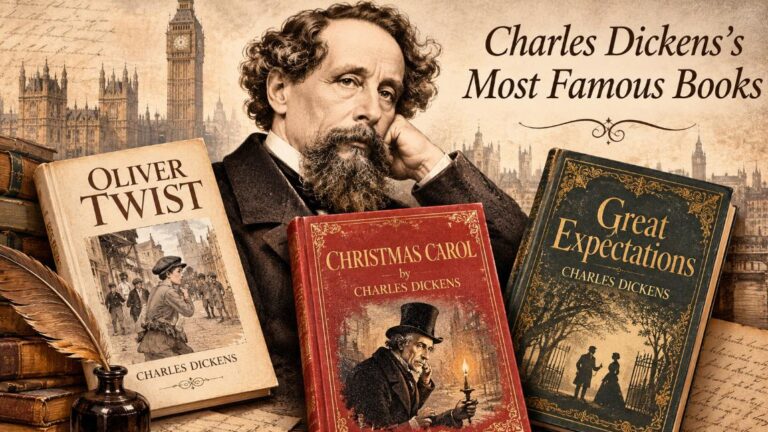
Some of his most recognized books include:
- The Pickwick Papers (1836–1837): Helped establish his reputation as a novelist.
- Oliver Twist (1837–1839): Explored poverty, childhood hardship, and social inequality.
- Nicholas Nickleby (1838–1839): Examined education and family struggles.
- David Copperfield (1849–1850): Explored personal growth and childhood experiences.
- Bleak House (1852–1853): Criticized the British legal system.
- Hard Times (1854): Examined industrial society and economic inequality.
- A Tale of Two Cities (1859): Explored sacrifice, love, and political conflict.
- Great Expectations (1860–1861): Examined ambition, identity, and social class.
- Our Mutual Friend (1864–1865): Explored wealth, greed, and human relationships.
- A Christmas Carol (1843): Became one of his most widely recognized literary works.
These books demonstrate Dickens’s ability to explore different themes while maintaining recognizable storytelling qualities.
What Made Charles Dickens’ Writing Style So Effective?
One of the most valuable aspects of Charles Dickens’ writing style was his ability to combine entertaining stories with meaningful observations about society. His novels often included humor, emotional conflicts, memorable characters, and detailed descriptions of everyday life.
Modern authors can learn several practical techniques from his approach.
1. Create Memorable Characters
Characters such as Oliver Twist, Ebenezer Scrooge, and David Copperfield remain recognizable because they have distinct personalities, motivations, and personal challenges. Dickens gave his characters individual voices and placed them in situations that revealed their strengths, weaknesses, and emotions.
Writing lesson: Develop characters with clear motivations, believable backgrounds, and meaningful relationships. Readers should understand why characters make particular decisions and how their experiences influence the story.
2. Use Real-Life Experiences as Inspiration
Dickens drew inspiration from his childhood, journalism career, and observations of Victorian society. His experiences helped him write about poverty, education, family relationships, and social injustice with a strong sense of realism.
Writing lesson: Use personal experiences, research, and observations to develop believable stories. Even fictional situations become more engaging when they reflect recognizable human experiences.
3. Give Your Story a Meaningful Message
Many Dickens novels explored social issues through fictional characters and situations. Rather than simply explaining problems, he showed readers how those problems affected individuals and families.
Writing lesson: A strong story can entertain readers while exploring meaningful ideas. Think about the themes you want readers to understand and how those themes can develop naturally through your characters and plot.
4. Understand Your Readers
Dickens understood the importance of maintaining reader interest. His serialized novels encouraged audiences to follow stories over multiple installments. His experience highlights the importance of understanding reader expectations and creating engaging narratives.
Writing lesson: Consider your intended audience when developing a book. Think about the genre, reading preferences, storytelling style, and subjects that matter to your readers.
5. Maintain a Consistent Writing Practice
Dickens produced a substantial body of literary work throughout his career. His professional discipline and continued engagement with writing played an important role in his achievements.
Writing lesson: Set realistic writing goals, establish a routine, and make steady progress on your manuscript. Completing a book requires consistency as well as creativity.
How Charles Dickens Published His Novels: Lessons for Modern Authors
Dickens’s career offers more than lessons about storytelling. His publishing history also demonstrates how authors, publishers, illustrations, and distribution methods work together to bring books to readers. During the Victorian era, many of his novels were published in monthly installments before being collected into complete volumes. His publishing arrangements with Chapman and Hall helped establish a successful format for reaching readers.
The Role of Publishers in Dickens’ Success
Publishers played an important role in preparing and distributing Dickens’s work. The serialized format required coordination between the author and publishing team, including the preparation of individual installments, illustrations, printing, and distribution.
As his popularity increased, his books reached larger audiences through different editions and formats. This demonstrates that producing a successful book involves more than writing its manuscript. The process also requires careful preparation, presentation, and access to readers.
What Modern Authors Can Learn From His Publishing Journey
Today’s authors have access to more publishing opportunities than writers in Dickens’s era. They can choose between traditional publishing and independent publishing routes, depending on their goals, resources, and preferences.
A modern book publishing journey may involve:
- Manuscript development and preparation.
- Professional editing and proofreading.
- Book cover design and interior formatting.
- ISBN and publishing requirements.
- Print and ebook production.
- Book distribution through relevant retail platforms.
These stages help transform a completed manuscript into a professionally prepared book.
How to Turn Your Own Story Into a Publishable Book
Learning from Charles Dickens’ writing journey can help aspiring writers understand how ideas, experiences, and storytelling techniques contribute to a complete manuscript. However, developing an idea into a finished book requires planning and a clear writing process.
Here are some important steps to consider.
1. Develop a Clear Book Idea
Start with the central idea you want to communicate. Think about your intended readers, the genre, and the main subject of your book. A clear concept makes it easier to plan the direction of your manuscript.
2. Create a Structured Manuscript
Organize your ideas into chapters and sections. For fiction, consider the characters, plot, setting, and major story developments. For nonfiction, organize the material around key topics, supporting information, and a logical progression. A structured manuscript makes the writing process easier to manage.
3. Work on Your Manuscript With Professional Guidance
Not every writer has the experience or time to develop a complete manuscript independently. Professional ghostwriting services can help authors turn their ideas, notes, personal experiences, or incomplete drafts into structured books.
For authors who have already completed a manuscript, professional editing and proofreading services can help improve clarity, consistency, grammar, and readability.
4. Prepare Your Book for Publication
Once the manuscript is ready, the next step is preparing the book for readers.
This may include:
- Professional book cover design.
- Interior formatting and layout.
- Final proofreading.
- Print and ebook preparation.
- Publishing and distribution arrangements.
These elements contribute to the presentation and accessibility of a finished book.
5. Choose the Right Publishing Support
Authors should understand their publishing options before moving forward. Some may prefer managing an independent publishing project, while others may need assistance with writing, editing, design, and distribution.
Working with an experienced book publishing company can help authors understand the different stages and requirements involved in bringing their manuscripts to market.
How Pioneer Publishing Press Helps Aspiring Authors
Every author’s journey is different. Some begin with a complete manuscript, while others have only an idea, personal experiences, or unfinished chapters.
At Pioneer Publishing Press, we provide professional support throughout the book development and publishing process.
Our services include:
- Ghostwriting Services: Assistance with developing ideas, writing manuscripts, and turning concepts into complete books.
- Editing and Proofreading Services: Improving manuscript structure, grammar, clarity, and readability.
- Book Cover Design Services: Creating professional covers that reflect the book’s subject and intended audience.
- Book Illustration Services: Supporting authors who need illustrations for their books, including children’s titles.
- Book Publishing Services: Helping authors prepare and publish their completed manuscripts.
- Printing and Distribution Services: Supporting the production and distribution of books through relevant channels.
Whether you are developing your first manuscript or preparing an existing book for publication, the right professional guidance can help you move forward with greater clarity.
Ready to start your own writing and publishing journey? Explore Pioneer Publishing Press’s [book publishing services] and discuss your manuscript goals with our publishing team.
Frequently Asked Questions About Charles Dickens’ Writing Journey
1. How Did Charles Dickens Become a Successful Writer?
Charles Dickens developed his writing career through journalism, short sketches, and serialized novels. His ability to create memorable characters, explore social issues, and connect with readers helped establish his reputation as one of the leading novelists of the Victorian era.
2. What Can Modern Authors Learn From Charles Dickens?
Modern authors can learn the importance of character development, real-life inspiration, meaningful storytelling, consistent writing habits, and understanding their readers. His publishing journey also demonstrates the value of planning how a manuscript reaches its audience.
3. What Was Charles Dickens’ First Successful Novel?
The Pickwick Papers, first published in monthly installments in 1836, established Dickens as a popular novelist. Its success helped launch his long literary career.
4. How Did Charles Dickens Publish His Books?
Many of Dickens’s novels were initially published in monthly installments. After serialization, they were also made available in complete book editions. His publishing arrangements with Chapman and Hall helped popularize this approach.
5. What Were Charles Dickens’ Most Famous Books?
Some of his most famous books include Oliver Twist, A Christmas Carol, David Copperfield, Great Expectations, and A Tale of Two Cities.
6. How Can Aspiring Writers Develop Their Own Writing Style?
Aspiring writers can develop their style by reading different genres, practicing regularly, observing real-life experiences, experimenting with storytelling techniques, and seeking constructive feedback. Professional editing can also help improve a manuscript while preserving the author’s voice.
7. How Do You Turn a Story Idea Into a Published Book?
Start by developing your concept, organizing your chapters, and completing your manuscript. The next steps typically include editing, proofreading, cover design, formatting, publishing, and distribution. Authors can also seek professional writing and publishing assistance throughout the process.
Key Takeaways: What Charles Dickens’ Writing Journey Teaches Modern Authors
Charles Dickens’ writing journey demonstrates that successful storytelling involves more than creative ideas. His career combined observation, consistent writing, memorable characters, meaningful themes, and an understanding of how readers engage with books.
The most valuable lessons for aspiring writers include:
- Use real-life experiences and observations to inspire meaningful stories.
- Develop memorable characters with clear motivations.
- Build a recognizable writing style through practice.
- Understand your readers and their expectations.
- Maintain consistency throughout the writing process.
- Prepare your manuscript carefully before publication.
- Understand the role of professional publishing support in bringing a book to readers.
Dickens built a lasting literary legacy through his dedication to storytelling and his ability to connect with readers. Modern authors can take inspiration from his approach while developing their own voices, manuscripts, and publishing journeys.